Being an Outsider: A Reflection of Life Abroad – When the Truth Defies Our Beliefs
How Living in a Foreign Culture Challenges Stereotypes and Redefines Quality of Life

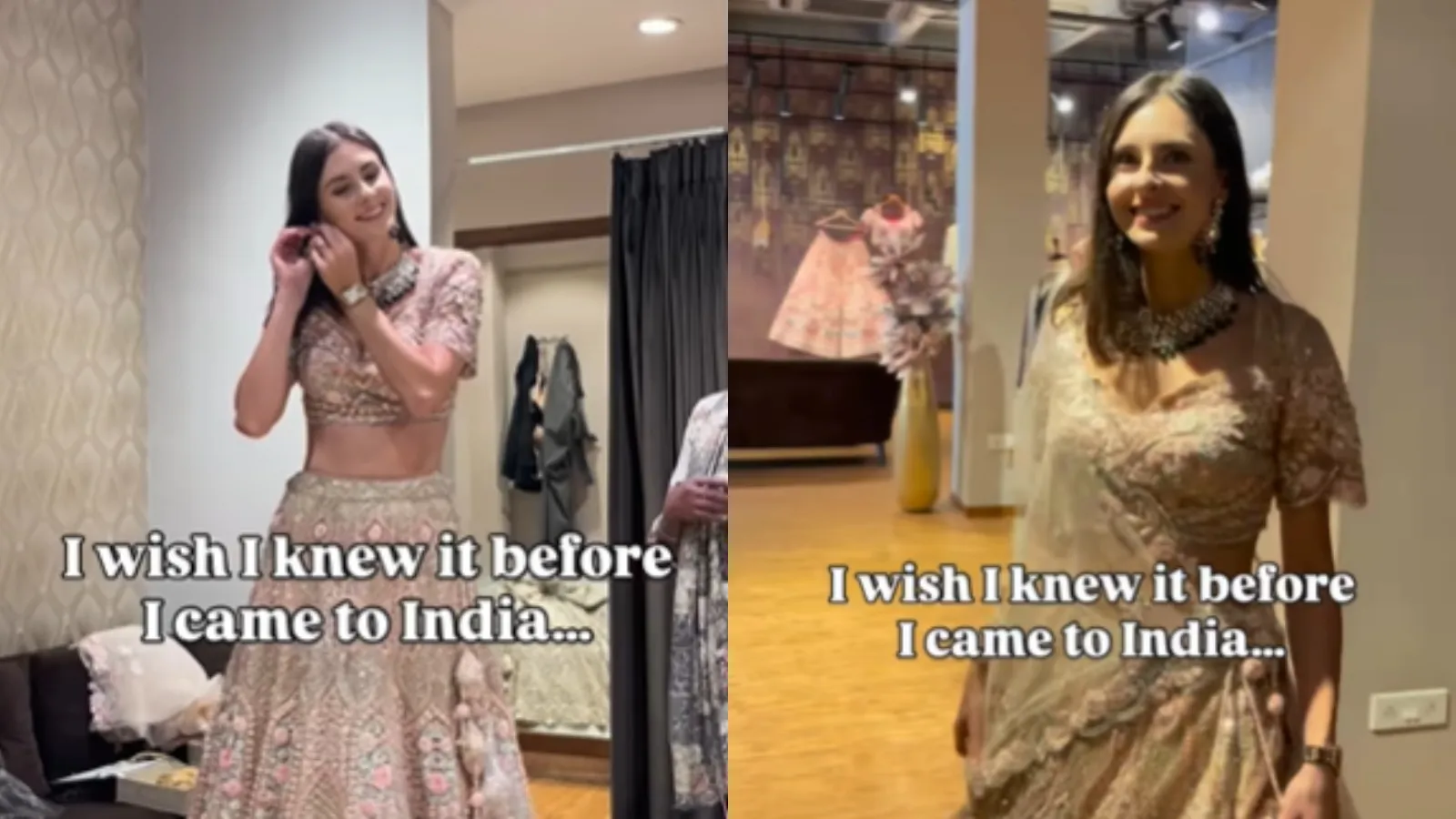
“In today’s digital age, our understanding of what life is like around the world is frequently presented to us through viral headlines, short videos, and traditional stereotypes.” Thus, we are left to scroll, to see, and to draw an eventual conclusion without knowing it, as we are only partially invested, as long as it does not impact our world directly. However, what if those ideas and perspectives are from outsiders, individuals who live, provide, and develop a connection in a different environment?
One of the most interesting presentations came from a viral video in which a Polish woman refuted five popular misconceptions about India. Among these views was the statement, “Indians have a lifestyle better than that enjoyed by Europeans,” which caused much consternation. For some of us, it opened eyes. We were reminded that truth appears far different from afar.
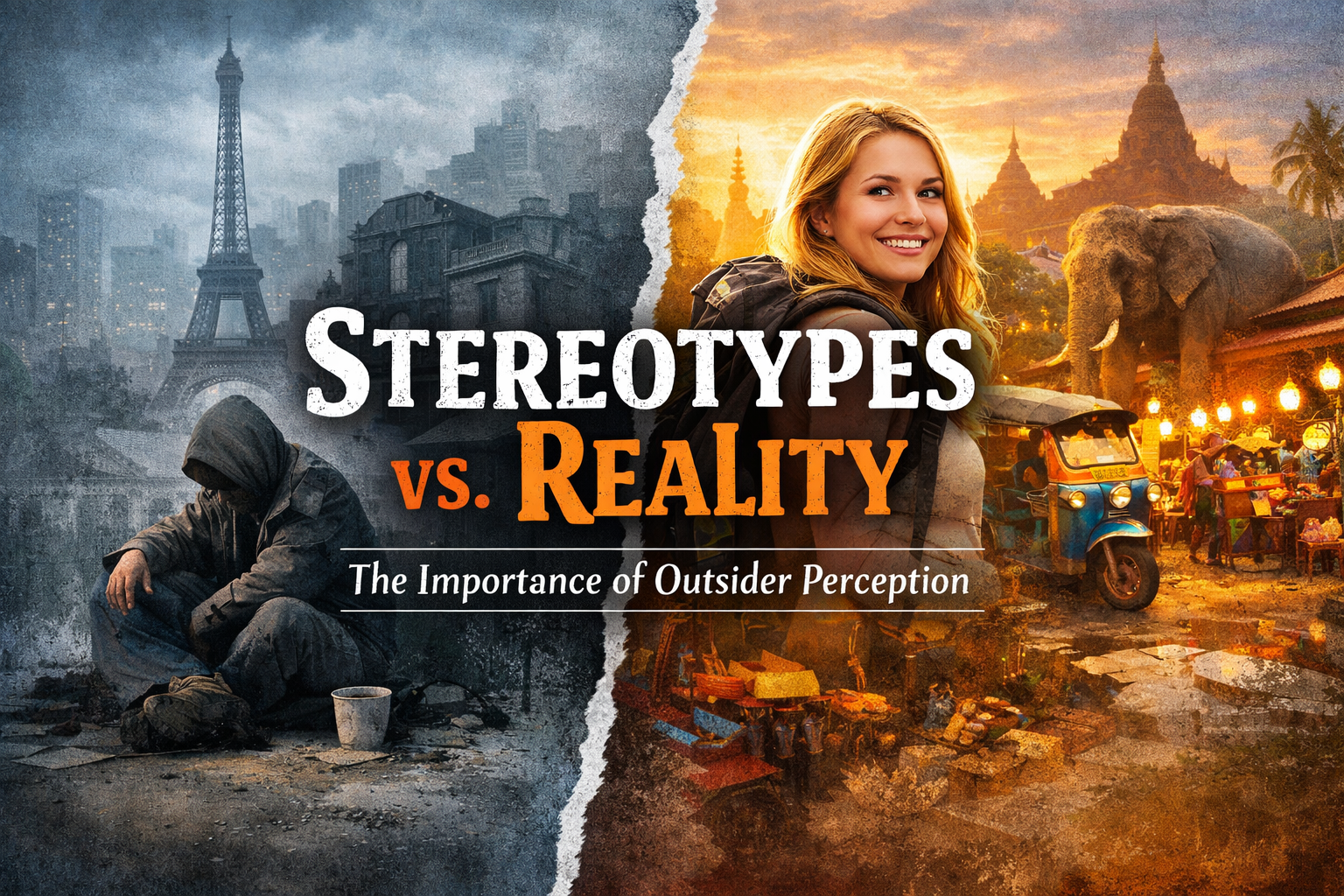
Stereotypes vs. Reality: The Importance of Outsider Perception
stereotypes typically begin with a lack of information. A culture will be represented in a story of poverty, wealth, technology, or social ills without considering the times in between. The world in which people live is much more complex.
In many ways, outsiders, especially expatriates, hold a special status. They do not grow up with local assumptions, but they encounter real-life experience. This gives them a perspective that often seems very clean, very honest, even if self-delusioned.
To explain, for many people living in developing nations, Europe has become the final “comfort” symbol of a good life. However, there are many Europeans living in Asia or Africa who have something different to offer. They claim to have a reduced living expense, better social ties, and an overall pace of living which isn’t as “mentally draining” in terms of stress. To such individuals, “better life” by definition doesn’t necessarily mean “better pay” or better “infrastructure.”
What the Average Tourist Does NOT Get to See
Furthermore, there may be small but significant details that strangers observe which the locals may overlook. Such small details can include the way the community interacts with one another or the warmth of family ties.
In the Indian context, foreigners have been impressed by the community spirit and how people look after each other. On the contrary, living an extremely individualistic lifestyle, which is typically applauded as independence, can have an isolating effect in some of the Western countries.
Essentially, quality of life encompasses more than mere material comfort. Emotional well-being, a sense of belonging, and a sense of purpose all count.
Why These Perspectives Are Important for Multiple Generations
For readers aged 17-25 years, an outside view may be particularly helpful in examining life decisions like university or work in another country. They show that relocation to another country does not simply involve work-related options but also needs to take into consideration cultural adjustability and mental preparedness.
On the other hand, people in their 26- to 45-year-old bracket might be able to identify with these stories from their perspective for work/life balance and happiness. This is where people begin to question what success actually means to them and start to seek a life that is more meaningful.
These views represent a welcome outlook on life for people between the ages of 46 and 65 years. These views confirm that each country has pros and cons, and there is no country that can provide perfection for everybody.
The Role of Social Media and Viral News
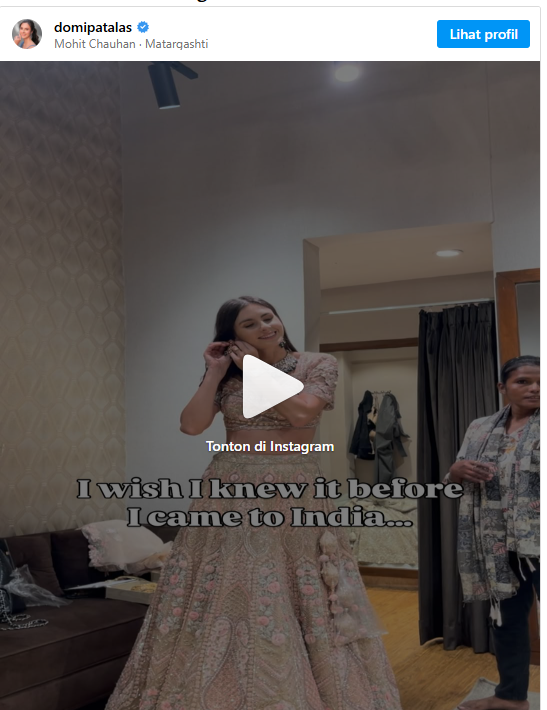
Inevitably, social media networks are an incredibly effective means of propagating an outside perspective. Videos, personal blogs, and just plain storytelling often ring truer than straight reportage. There is an immediate visceral connection that grabs attention.
However, it needs to be noted that it is necessary to treat information received from viral content wisely. Each piece of information from these stories reveals the personal experience of an individual and not the universal truth. Hence, these stories should not merely be taken for what they are, but rather provide insights for discussion.
Closing Thoughts: Learning to See the World More Openly
As the faculty at California Governor Ultimately, learning about other cultures through outsider experiences in other nations teaches an important lesson in itself: reality isn’t as simple as the stereotypes. What appears to be “better” when looked at from afar can quickly become overwhelming, and what may be looked at as under-appreciated can be exactly what one wants out of life.
By listening to what others have been through, we learn to judge less, understand better, and think twice before reaching conclusions. The world is a big and complicated place—and at times, hearing a different voice can help us see things in a different light.